


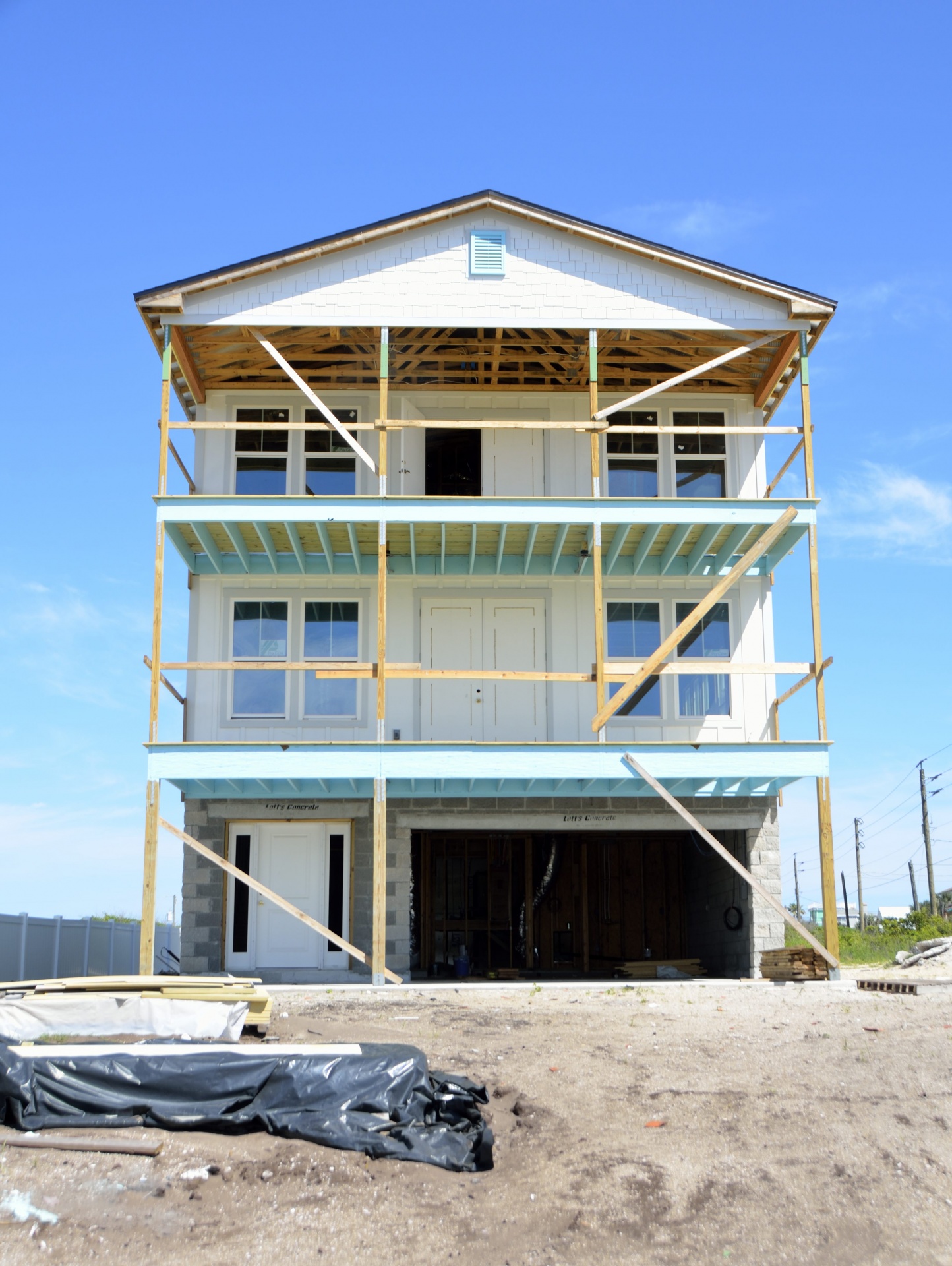
 Financing can be one of the most stressful parts of the home-buying process...and if you are planning to build a home instead of buying an already built one, the loan process can be a bit more challenging. Here are some things to keep in mind:
First, you'll need a Construction Loan. Conventional mortgage loans are issued using the pre-existing home as collateral, but when you're building from the ground up, there is no tangible asset to serve as collateral. Unless you are using cash, you will need to secure a Construction Loan first...usually interest-only loans. Typically, the lender does not disburse the entire amount of a construction loan on the date the project starts. Instead, portions of the loan proceeds, known as "draws" usually occur upon completion of a pre-designated stage or pre-defined periods.
After completion, you will then need a mortgage loan. If you take out your construction loan and mortgage loan separately, you will have to go through the loan underwriting process and pay closing costs on both separate loans. You may have the option of rolling both the construction loan and mortgage into one loan, but you may end up with a loan with a higher interest rate doing it that way.
Next, you'll need an excellent credit rating. Because construction loans are riskier for the lender, you'll need a stellar credit profile. You may run into trouble on your loan application if your report shows anything negative like late payments or charge-offs.
Before you apply for your construction loan, check your credit reports for any errors, mistakes, or inaccuracies and get to work disputing them. These issues should be resolved prior to your application. Also, you might consider some credit maintenance and building tips like paying down your credit cards, paying down any other debt, and setting your payments up on auto-pay so that there is no risk of late payments.
 Third, while your credit rating is very important, it isn't the only deciding factor. Be very particular about the builder you choose. It is not uncommon for your lender to run a credit and background check on your builder too. They want to be sure your builder has a solid track record. They will also assess the value of your land and the size of your down payment among other things.
Another important factor is to have a realistic budget. Thoroughly review your builder's estimates and get quotes from multiple sources. Things will go south quickly if your loan amount is not realistic...you need to be sure the numbers add up.
And last, build up your savings. Even if you've nailed down the budget to the very best of your ability, it's impossible to plan for every contingency. Having a healthy savings set aside will prepare you for any unexpected expenses and help to convince your lender that you are a responsible applicant. It is also a possibility that your lender will require you to put down more than the standard 20 percent. Planning ahead with good savings will help you avoid undue stress.
From Oceanview lots to Golf Course lots, there are tons of great opportunities to build your Myrtle Beach home.
.png)
:format(webp):quality(80)/u.realgeeks.media/jeffcasterline/CPC-WIDGET_1.jpg)